What Are You Looking For?

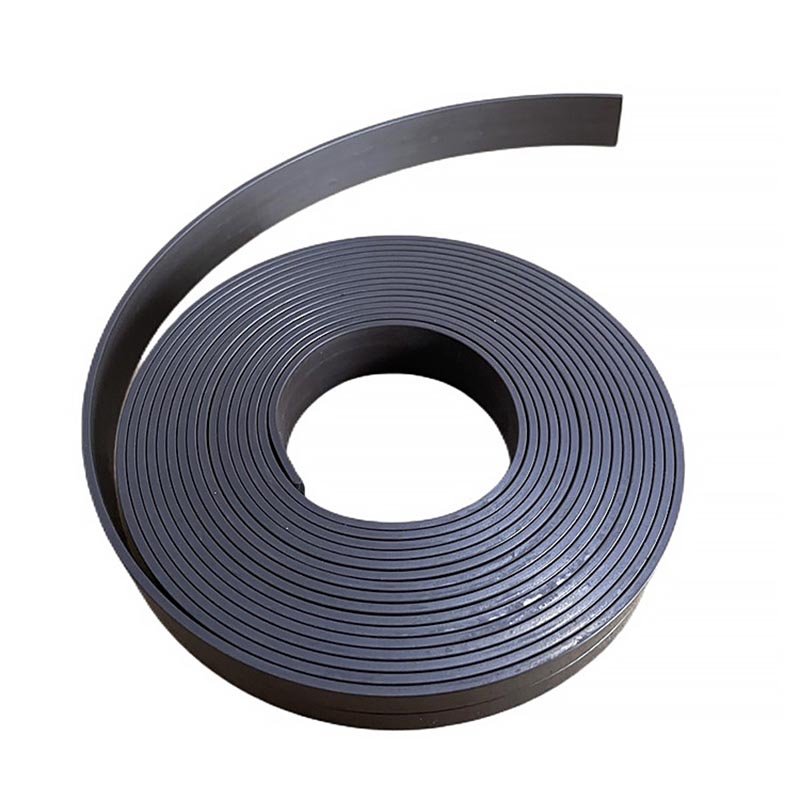
Wholesale Flexible Neodymium Magnet Strips, Multi-Pole Magnetized, Continuous Length for Speed Sensors


Neodymium flexible magnet combines high remanence, high coercivity, and flexibility, supporting 2–200+ pole multi‑pole magnetization in strips, rings, or custom shapes to fit various sensor designs. As a multi‑pole magnetic source, it delivers stable signals for encoders, speed sensors, and position sensors – particularly effective in compact spaces, making it a reliable choice for precision sensing.
Packaging :
Bulk packing, cartonsPayment :
100% T/T in advanceProduct Origin :
ChinaDelivery Time :
15-30 days, depends on the quantityBrand :
KINGSMAGNETBulk Order MOQ :
100 ROLLSSample Order :
Please inquireNeodymium Flexible Magnet – Sensor Application Product Details & Selection Guide
1. 🔍 Product Overview
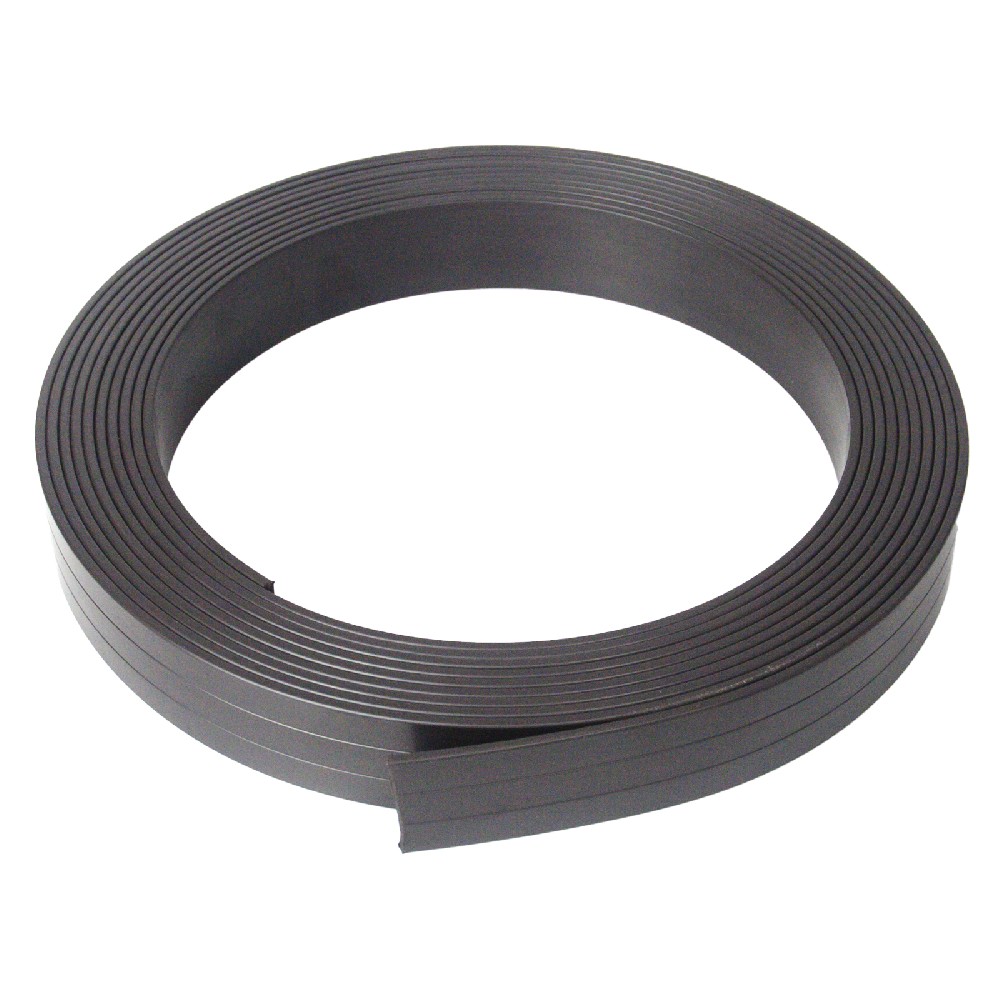
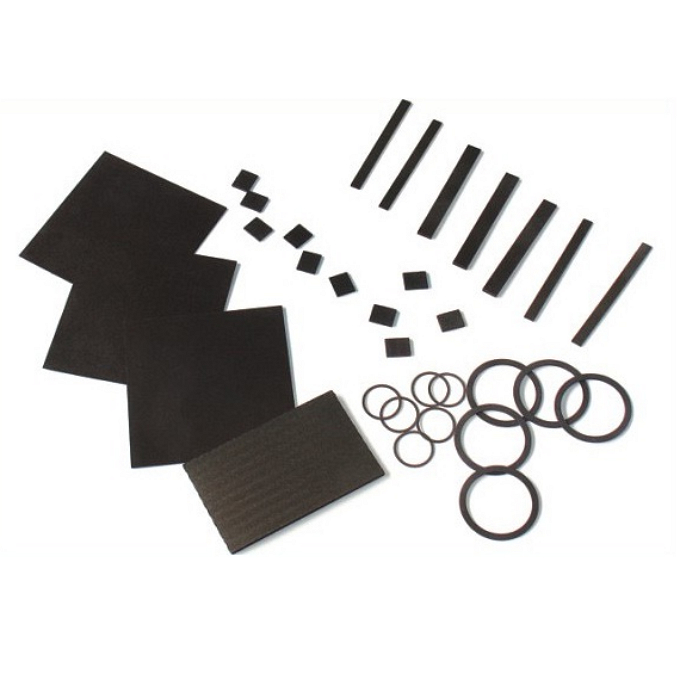
Neodymium flexible magnet (Bonded NdFeB Flexible Magnet) is a flexible magnetic material made by compounding high‑energy rare‑earth neodymium‑iron‑boron (NdFeB) powder with a flexible rubber matrix through mixing, calendering, or extrusion processes. It combines the ultra‑high magnetic performance of NdFeB with the flexibility and processability of rubber, and can be manufactured into thin strips, rings, custom die‑cut shapes, and other forms.
In sensor applications, neodymium flexible magnets serve as multi‑pole magnetic sources working with Hall elements and magnetoresistive elements, and are widely used in magnetic encoders, speed sensors, position sensors, angle sensors, and more. Bonded neodymium magnet rings offer the highest magnetic performance, making them particularly suitable for high‑precision, high‑resolution encoders.
💡 Core value: Delivers high magnetic field output in a flexible form, providing high‑precision, highly stable magnetic field signals for sensors within limited space, while offering unique advantages such as fracture resistance, easy installation, and customization.
2. ⭐ Key Features and Sensor Application Advantages
| Feature | Value for Sensor Applications |
|---|---|
| Ultra‑high magnetic performance | Remanence up to 0.5–0.8 T, energy product up to 8–12 MGOe – several times higher than ferrite rubber magnets |
| Multi‑pole magnetization capability | Supports 2–24 poles (rings up to 200+ poles) – alternating along length or circumference, directly generating sine/square wave signals |
| Flexible and bendable | Conforms to curved, cylindrical, or irregular surfaces – flexible installation |
| Rubber layer reduces vibration and noise | Rubber encapsulation absorbs vibration, reducing sensor signal noise |
| High coercivity | Intrinsic coercivity ≥600 kA/m – strong demagnetization resistance in complex electromagnetic environments |
| Operating temperature range | -40°C ~ +80°C (standard); some grades up to +120°C |
| Easy to process | Can be die‑cut into any shape – meets diverse sensor design requirements |
3. 📊 Technical Specifications (Sensor Application Grade)
3.1 Basic Physical Parameters
3.2 Magnetic Properties (Sensor Grades)
| Grade | Br (kG) | Hcb (kOe) | Hcj (kOe) | (BH)max (MGOe) |
|---|---|---|---|---|
| NDRB1 | 2.7–3.3 | 1.8–2.4 | 2.6–4 | 1.5–2.5 |
| NDRB2 | 3.3–3.9 | 2.4–2.8 | 4–6 | 2.5–3.5 |
| NDRB3 | 3.9–4.8 | 2.6–3.4 | 6–9 | 3.5–4.5 |
| NDRB4 | 4.3–5.3 | 3.2–4.2 | 7.8–9.8 | 4.5–5.5 |
| NDRB5 | 4.8–5.8 | 3.7–4.7 | 8–10 | 5.5–6.5 |
| NDRB6 | 5.3–6.3 | 4.3–5.3 | 8.5–11 | 6.5–7.5 |
| NDRB7 | 5.7–6.7 | 4.5–5.5 | 8.5–11 | 7.5–8.5 |
📄 Bonded neodymium magnet rings offer the highest magnetic performance, particularly suitable for high‑precision, high‑resolution encoders. Sensor applications should prioritize NDRB4 and above – their magnetic performance is significantly superior to lower grades.
3.3 Temperature Characteristics
⚠️ Note: Neodymium magnets are sensitive to temperature. Exceeding the rated operating temperature causes irreversible demagnetization. For high‑temperature sensor applications, grades with higher temperature resistance should be selected.
4. 🎯 Typical Sensor Applications
4.1 Magnetic Encoders
Neodymium flexible magnet rings/strips are core components of magnetic encoders, generating magnetic fields that work with sensor elements for position or angle measurement.
Typical applications:
Recommended form: Multi‑pole magnetic ring (axial or radial magnetization), up to 200+ poles
✅ Advantages: Bonded neodymium magnet rings offer the highest magnetic performance, particularly suitable for high‑precision, high‑resolution encoders
4.2 Speed Sensors
Neodymium flexible magnet strips serve as multi‑pole magnetic sources working with Hall sensors to detect rotational speed.
Typical applications:
Recommended form: Multi‑pole magnetic strip (alternating along length)
4.3 Position and Angle Sensors
Neodymium flexible magnet sheets/strips provide stable magnetic field signals for linear displacement or rotational angle detection.
Typical applications:
Recommended form: Multi‑pole strip (linear displacement) / Multi‑pole ring (angle detection)
4.4 🔘 Proximity Switches and Magnetic Switches
Neodymium flexible magnet sheets serve as trigger sources working with reed switches or Hall elements for non‑contact detection.
Typical applications:
4.5 🖐️ Flexible Tactile Sensors
Sensor arrays based on NdFeB magnetic particles compounded with flexible silicone rubber can detect contact position and slippage.
Typical applications:
5. 📋 Selection Guide: How to Choose the Right Neodymium Flexible Magnet for Sensor Applications
5.1 Core Selection Factors
Choosing the right neodymium flexible magnet for sensor applications requires consideration of five key dimensions:
1. Grade Selection – Based on Signal Strength Requirements
2. Pole Count and Pitch – Affects Resolution
3. Form Selection – Match Sensor Structure
4. Magnetization Direction
5. Operating Temperature
Standard grade: -40°C ~ +80°C
High‑temperature grade: up to +120°C (custom order)
5.2 Selection Guide by Sensor Type
| Sensor Type | Recommended Grade | Recommended Form | Recommended Poles | Notes |
|---|---|---|---|---|
| 📡 Incremental encoder | NDRB5–NDRB7 | Multi‑pole ring | 32–200+ | High resolution required |
| 🎯 Absolute encoder | NDRB6–NDRB7 | Multi‑pole ring | Multiple tracks | High‑precision position detection |
| 🏎️ Speed sensor | NDRB4–NDRB6 | Multi‑pole strip | 4–24 | Stable signal frequency |
| 📏 Linear displacement sensor | NDRB4–NDRB6 | Multi‑pole strip | Pitch 1–5mm | Accuracy vs. travel balance |
| 🔘 Proximity switch | NDRB2–NDRB4 | Single‑pole sheet | — | Trigger signal sufficient |
| 🔄 Angle sensor | NDRB5–NDRB7 | Multi‑pole ring | 8–64 | Angle resolution critical |
5.3 Sensor Selection Precautions
| Sensor Type | Recommended Grade | Recommended Form | Recommended Poles | Notes |
|---|---|---|---|---|
| 📡 Incremental encoder | NDRB5–NDRB7 | Multi‑pole ring | 32–200+ | High resolution required |
| 🎯 Absolute encoder | NDRB6–NDRB7 | Multi‑pole ring | Multiple tracks | High‑precision position detection |
| 🏎️ Speed sensor | NDRB4–NDRB6 | Multi‑pole strip | 4–24 | Stable signal frequency |
| 📏 Linear displacement sensor | NDRB4–NDRB6 | Multi‑pole strip | Pitch 1–5mm | Accuracy vs. travel balance |
| 🔘 Proximity switch | NDRB2–NDRB4 | Single‑pole sheet | — | Trigger signal sufficient |
| 🔄 Angle sensor | NDRB5–NDRB7 | Multi‑pole ring | 8–64 | Angle resolution critical |
6. 🔧 Installation Key Points
6.1 Strip/Ring Installation
6.2 Magnetized Side Orientation
6.3 Air Gap Control
6.4 Handling Precautions
7. ❓ Frequently Asked Questions
Q1: What is the biggest difference between neodymium and ferrite rubber magnets in sensor applications?
A: Magnetic strength. Neodymium rubber magnets have remanence (0.5–0.8 T) and energy product (up to 8–12 MGOe) far higher than ferrite rubber magnets. For high‑precision encoders and high‑resolution position sensors, neodymium is the first choice. Using ferrite in high‑energy sensor applications may cause signal failure.
Q2: What is the maximum pole count for multi‑pole strips/rings?
A: Strips can typically achieve 2–24 poles with minimum pitch ~2 mm. Rings can achieve up to 200+ poles. Higher pole counts mean higher sensor resolution, but require more precise magnetization equipment and sensor electronics.
Q3: What is the maximum operating temperature of neodymium flexible magnets?
A: Standard grade is -40°C ~ +80°C. High‑performance grades can reach +120°C. Exceeding the rated temperature causes irreversible demagnetization. For high‑temperature environments, choose grades with higher temperature resistance.
Q4: Do neodymium flexible magnets rust?
A: Neodymium material itself is prone to oxidation, but the rubber matrix and encapsulation layer effectively isolate air and moisture, providing good corrosion resistance. However, in high‑humidity or salt‑spray environments, additional surface coating is recommended.
Q5: How to choose pole pitch for sensor strips?
A: Pole pitch determines the wavelength of the sensor output signal. Smaller pitch = higher resolution, but requires higher accuracy from the sensor chip and installation. Choose based on the sensor datasheet's recommended pitch range.
Q6: Can I get samples for sensor testing?
A: Yes. Free samples of standard multi‑pole strips/rings are available (shipping charged). Custom sizes, grades, pole counts, and magnetization patterns require a sample tooling fee.
Neodymium flexible magnet – a high‑energy bonded NdFeB strip with rubber flexibility, delivering 1.5–8.5 MGOe for high‑torque motors, EVs, and servos.
Read More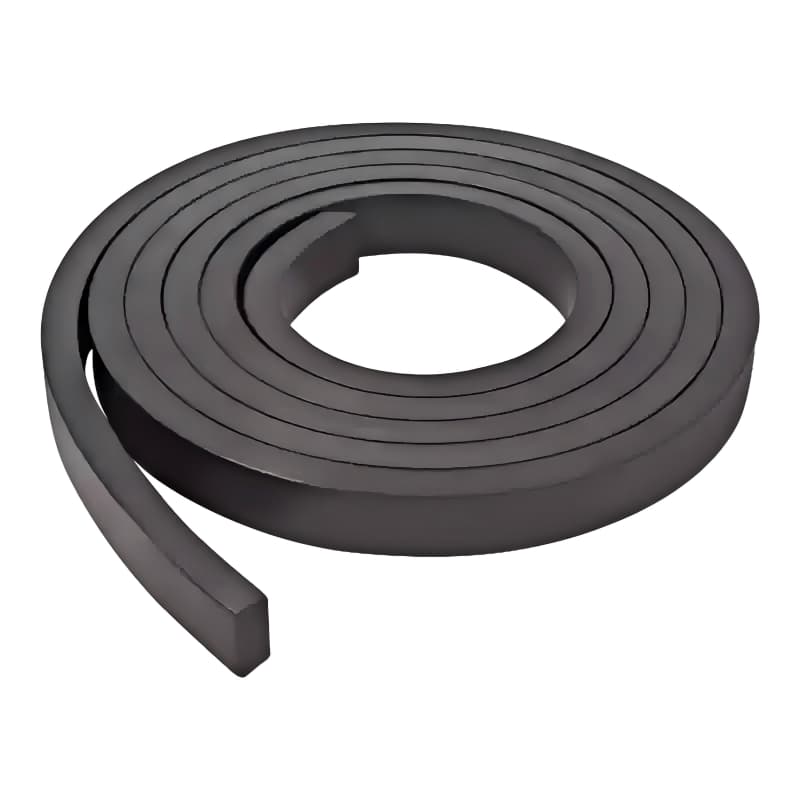
Flexible ferrite rubber magnet strip – low‑cost anisotropic material for motor rotors, widely used in micro motors, fans, and automotive drives.
Read More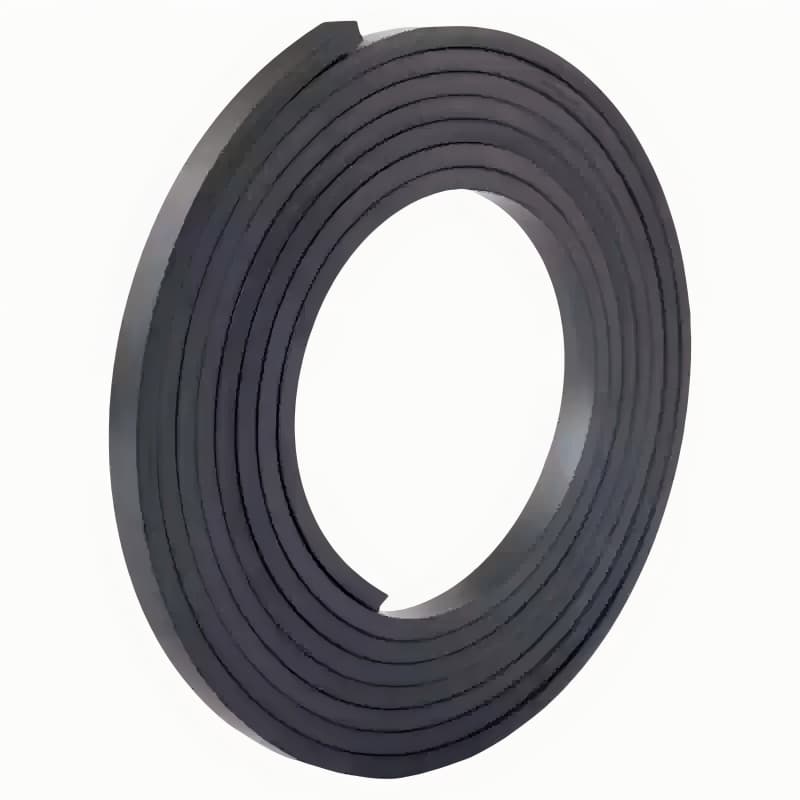
Neodymium flexible magnet combines high remanence, high coercivity, and flexibility, supporting 2–200+ pole multi‑pole magnetization in strips, rings, or custom shapes to fit various sensor designs. As a multi‑pole magnetic source, it delivers stable signals for encoders, speed sensors, and position sensors – particularly effective in compact spaces, making it a reliable choice for precision sensing.
Read More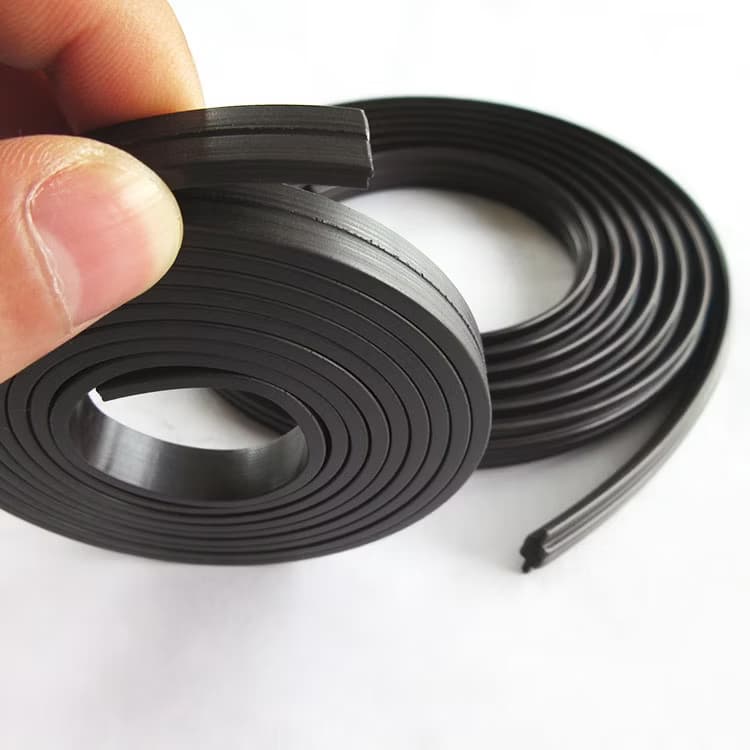
Eco‑friendly strontium ferrite rubber magnet – heavy metal free, RoHS compliant – delivers stable signals for encoders, speed sensors, and position sensors with excellent cost‑performance and environmental tolerance.
Read More


 IPv6 network supported